NC500 Motorhome Stopovers: Plan Scotland’s North Coast 500
Updated: 2 September 2026 · Written by John Durkin, founder of Motorhome Stopover Club and a motorhome owner with decades of UK touring experience.
Planning the NC500 in a motorhome is about more than choosing scenic places to visit. You also need suitable overnight stops, realistic daily distances and a route that works for the size of your vehicle. The North Coast 500 circles the far north of Scotland from Inverness, linking the east coast, Caithness, Sutherland, Assynt, Wester Ross and the dramatic west-coast roads back towards Inverness.
This guide brings together genuine NC500 motorhome stopovers from the Motorhome Stopover Club database, a practical seven-day itinerary and the road advice that matters when travelling in a larger vehicle. It is designed to help you plan a memorable North Coast 500 motorhome route without relying on unverified social-media park-ups.
Quick answer: Allow at least seven days for an NC500 motorhome trip, mix designated overnight parking with campsites or serviced stops, and never assume Scotland’s wild-camping access rights allow a motorhome to stay overnight. Check every listing and all on-site signs before settling in.
A must listen podcast: This podcast is a must listen for any Camper and especially Motorhome Owners wish to try the NC500. The NC500 is a trip you need to understand and prepare for. (Video further down page to follow on from this podcast)
The NC500 is a circular touring route that starts and finishes in Inverness. You can travel clockwise or anti-clockwise. This example runs anti-clockwise, taking the easier east-coast roads first before continuing around the far north and returning through Wester Ross.
The route name suggests 500 miles, but your actual mileage will be higher once you add fuel stops, food shopping, attractions and detours. A motorhome trip should therefore be planned around time rather than mileage alone. Single-track roads, passing places, livestock, cyclists and photo stops can make progress much slower than a sat-nav estimate.
Practical minimum: seven days for the complete loop.
More relaxed trip: nine or ten days, particularly if you enjoy walking and beaches.
Start and finish: Inverness is convenient for fuel, supplies and the first or final overnight stop.
Best approach: plan a preferred stop and a genuine route-aligned backup where the database contains one.
Route-checked NC500 motorhome stopovers from the MSC directory
Every location below has been checked against the official NC500 road sequence and its position in the MSC database. “Route-aligned” means the stop is in a route town or reached by immediate local access from the NC500 road. A location reached by a separate spur road is labelled as a detour rather than being presented as on the route.
Route-aligned beside the A896, but reported rather than council-designated; check current signs.
Optional detours, not on the route line:Reiss Beach Car Park, Dunnet Head Car Park, Skerray Harbour and Stoer Lighthouse. They can still be useful authorised or reported overnight locations, but each requires leaving the main NC500 road. Stoer Lighthouse is not a suitable default recommendation for larger motorhomes following the official A894/A837 alternative to avoid the B869.
For designated council locations, check the current Highland Campervan and Motorhome Scheme rules. Overnight hours, charges, permits and maximum stays can change, and the signs displayed when you arrive remain the final authority.
This itinerary runs anti-clockwise. The overnight boxes distinguish genuinely route-aligned stops from optional detours. Where the current MSC database has no suitable stop directly on that day’s route, the guide says so plainly.
Day 1: Inverness to Golspie or Dornoch
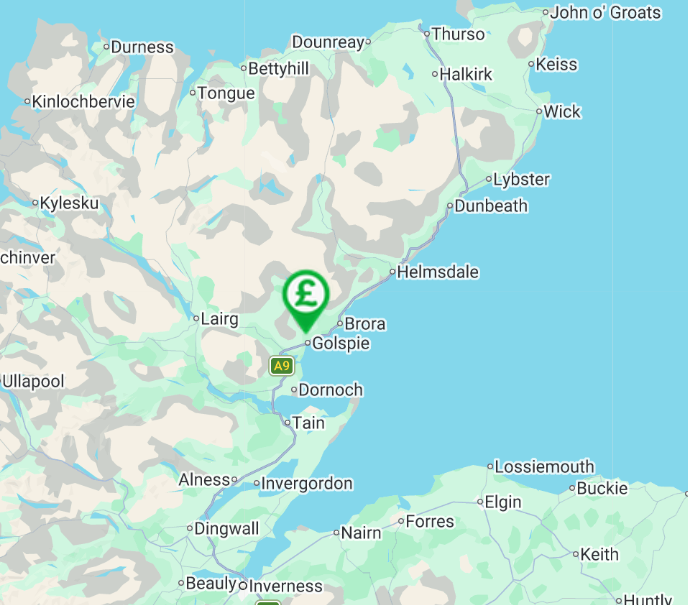
Stock up and fuel before leaving Inverness, then follow the east coast through the Black Isle and Easter Ross. This is a gentler introduction to the NC500 and gives you time for Dornoch, Golspie and nearby historic attractions. Torvean Car Park is useful before departure; Golspie is the verified route-aligned first-night stop in the current MSC database.
Database backup: No second MSC stopover has been verified on this exact end-of-day route. Torvean Car Park is a pre-departure base in Inverness, not a Golspie-area backup.
Check the latest MSC listing, council scheme terms and all on-site signs before staying.
Day 2: Golspie to Wick and Caithness
Continue north through the coastal settlements of Sutherland and Caithness. The current MSC database contains council overnight locations near Wick, but the checked options require leaving the A99 route on local spur roads.
Verified stopover close to today’s route
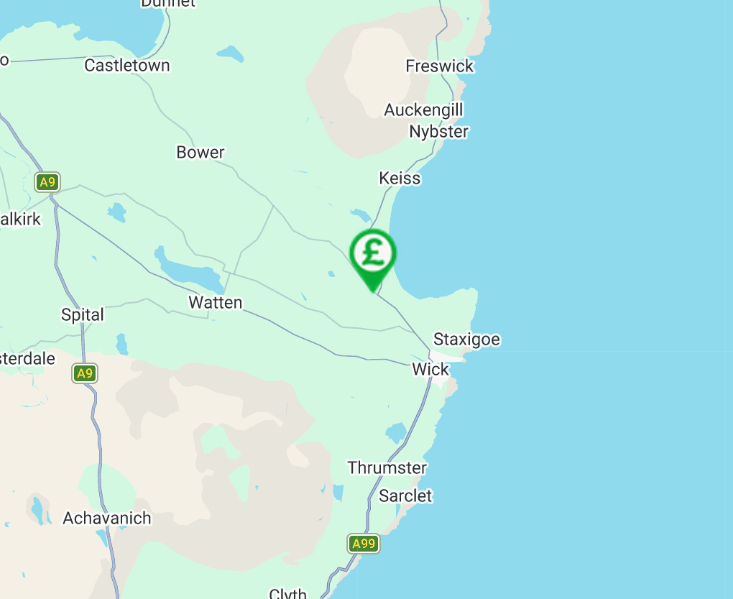
Closest verified detour option:Reiss Beach Car Park is approximately a 1.7-mile detour from the NC500, adding around five minutes’ driving. The approach includes a narrow single-track lane with passing places.
Reiss Beach Car Park is included in the 2026 Highland Council overnight-parking order, but it should not be described as directly on the NC500. Travellers who do not want a detour should arrange another authorised Wick-area stop or campsite.
Check the current council scheme terms and the signs at the car park before staying.
Day 3: Wick to Dunnet, Thurso and the north coast
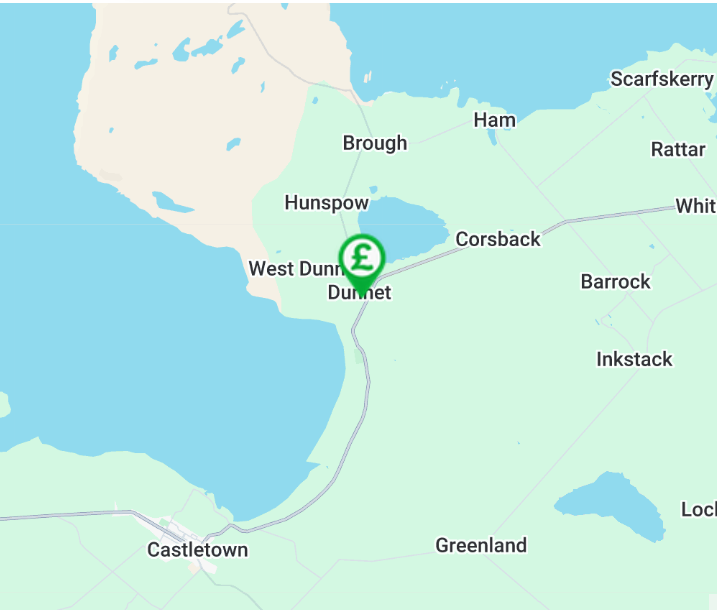
Visit the far north-east, then turn west towards Thurso. Dunnet Head is a worthwhile optional side trip, but the lighthouse car park is reached by a separate spur from the main route. Dunnet Seadrift is the better route-aligned overnight recommendation from the current MSC database.
Verified stopover for tonight
Route-aligned stopover:Dunnet Seadrift Car Park — designated council overnight parking with immediate access from the A836 corridor.
Optional detour:Dunnet Head Car Park is an authorised council overnight option, but it is reached via the B855 spur and is not directly on the NC500.
Skerray Harbour has been removed as a backup here because it is much farther west and is not a like-for-like Dunnet alternative.
Day 4: North coast to Durness
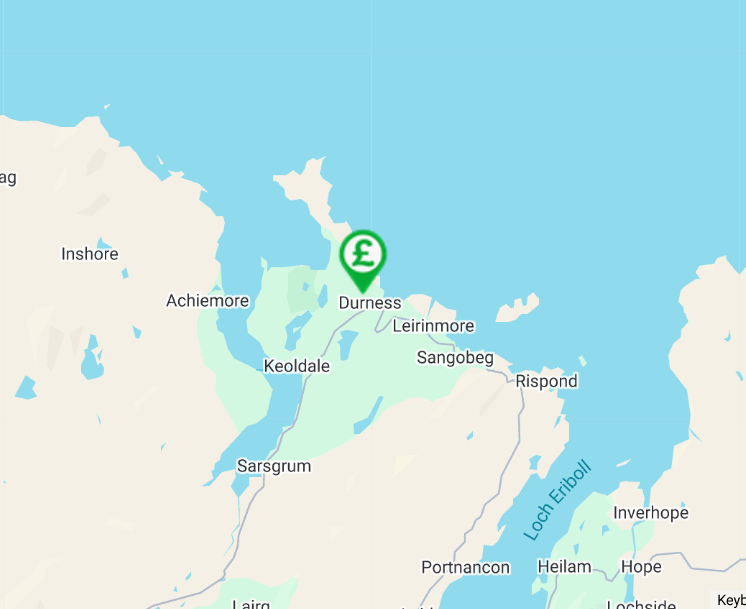
The scenery becomes increasingly remote as you travel west. Fuel opportunities are less frequent, mobile reception can be patchy and journey times are easy to underestimate. Durness has the strongest route-aligned overnight option in the current MSC database.
Route-aligned reported backup:Rispond — on the A838 corridor, but not confirmed as a council-designated overnight site. Use it only if the current signs and local permission allow an overnight stay.
Durness is the dependable planned choice. Always check the current scheme rules and signs.
Day 5: Durness to Assynt and Ullapool
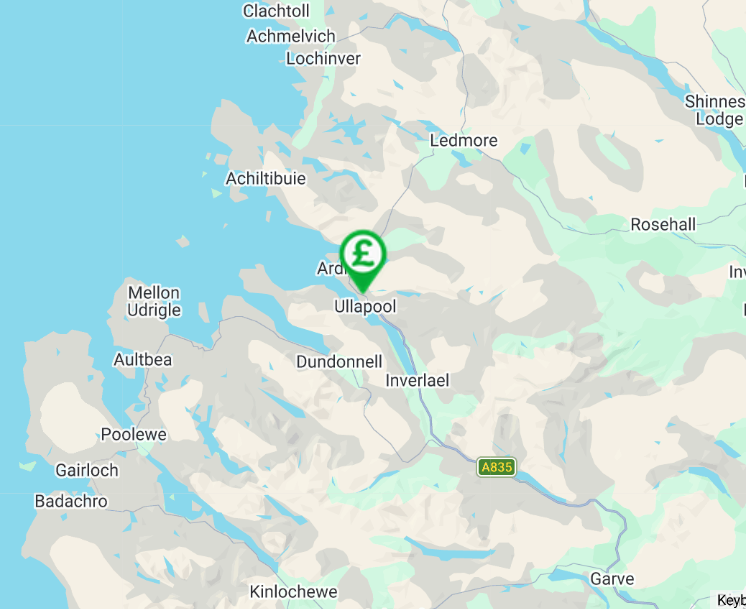
This is one of the most dramatic sections of the journey. Larger motorhomes should follow the official advice to avoid the B869 and use the A894/A837 alternative. Stoer Lighthouse is an optional coastal detour, not a route-aligned backup for larger motorhomes.
Database backup: No second MSC stopover has been verified directly on this day’s motorhome-friendly route. Stoer Lighthouse remains an optional detour for suitable smaller vehicles and confident drivers, not the default backup.
Check the latest MSC listing, council scheme terms and all on-site signs before staying.
Day 6: Ullapool to Gairloch and Torridon
Travel south through Wester Ross via Little Loch Broom, Little Gruinard, Gairloch and Loch Maree. This day has several genuinely route-aligned MSC options, so choose one that matches your pace rather than continuing after dark.
Verified stopovers for tonight
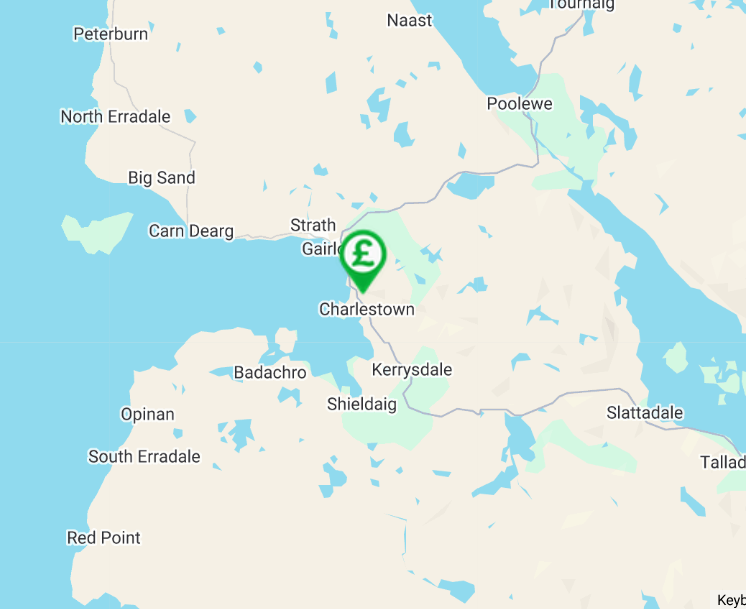
Primary route-aligned stopover:Gairloch Harbour Car Park — designated council overnight parking in a route town.
Earlier route-aligned backup:Little Gruinard Beach Car Park — designated council overnight parking on the A832 corridor.
Later route-aligned option:Upper Loch Torridon — beside the A896, but reported rather than council-designated. Verify the current signs and permission before staying.
Woodland Car Park and Victoria Falls parking are no longer presented as overnight backups here because current overnight permission was not independently confirmed.
Day 7: Torridon and Shieldaig to Inverness
The final day can take you through Shieldaig and back towards Inverness. Larger motorhomes and inexperienced drivers should avoid treating the Bealach na Bà as compulsory and use the safer A896 alternative described by the official NC500 guidance.
Finish-base and route-aligned early stops
Nearest MSC finish-base:Torvean Car Park, Inverness — designated council overnight parking near the official Inverness finish, but not directly on the route line.
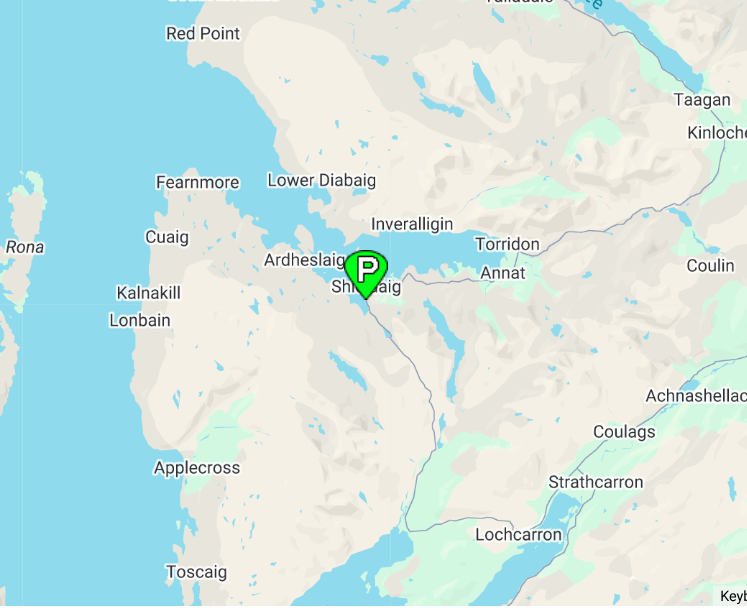
If you stop earlier:Shieldaig A896 lay-by and Upper Loch Torridon are route-aligned reported listings. They are not substitutes near Inverness, so check current signs and permission before deciding to end the day there.
The current MSC database contains no stopover directly at the official Inverness Castle start/finish point.
NC500 Information Video:
Find Your Next Pub Stopover Without the Guesswork
Unlock 6,500+ UK stopover listings with full addresses, directions,
call-ahead details and the MSC Route Planner.
Most of the NC500 can be driven in a motorhome, but being able to complete the route does not mean every optional road suits every vehicle or driver. Vehicle length, width, weight, turning circle and the driver’s experience all matter.
Bealach na Bà
The official NC500 FAQ advises that the Bealach na Bà section is unsuitable for large motorhomes, caravans and inexperienced drivers because of its steep gradients and sharp bends. The A896 approach provides a safer alternative. Do not allow a sat-nav or a desire to complete every famous section to override the limits of your vehicle.
B869 between Lochinver and Kylesku
The official guidance also identifies the B869 as difficult for large vehicles. Motorhome drivers can return from Lochinver using the A837 towards Skiag Bridge rather than automatically following the narrow coastal option.
Single-track road etiquette
Use passing places to let approaching vehicles pass and faster traffic overtake.
Do not park in passing places, even for a photograph.
Be prepared to reverse safely to the nearest passing place.
Do not travel in a motorhome convoy; leave at least one passing place between vehicles.
Allow working vehicles and local traffic to make progress.
Stop only where the whole motorhome can leave the carriageway without damaging verges.
One of the most common misunderstandings is that Scotland’s right to responsible wild camping gives motorhomes a general right to park overnight. It does not. The Scottish Outdoor Access Code’s wild-camping provisions apply to lightweight camping and do not create parking rights for motorised vehicles.
For an NC500 campervan or motorhome trip, use campsites, aires, authorised car parks, pub stopovers with permission and other locations where overnight stays are expressly allowed. Never assume that a quiet lay-by, beach car park or viewpoint permits sleeping in a vehicle.
Check signs and local bylaws every time you arrive.
Keep all activity inside the motorhome unless the site expressly allows camping behaviour.
Never empty grey water or toilet waste outside an authorised disposal point.
Do not light fires or barbecues where they are prohibited or unsafe.
Take rubbish away and avoid blocking access for residents, emergency services and working vehicles.
At pub stopovers, call ahead when requested and support the business.
The official responsible-travel guidance for the NC500 confirms that motorised vehicles are outside the wild-camping access rules and recommends designated overnight stops when a campsite is unavailable. If you like the pub-stop model, read our detailed guide to motorhome pub stopovers.
Practical NC500 motorhome planning tips
Carry a backup overnight plan
Popular stops can fill up, rules can change and exposed coastal locations may be unpleasant in strong winds. Save two or three suitable alternatives for each part of the route before leaving reliable mobile coverage.
Use campsites to reset your services
A basic parking stop may provide no water, waste disposal, electricity, showers or toilets. Build serviced campsite nights or official service points into the itinerary so you can travel responsibly and keep the motorhome comfortable.
Fuel before remote sections
Do not wait for the warning light. Opening hours can be limited and detours use more fuel than expected. Starting each remote leg with a comfortable range removes unnecessary stress.
Download essential information
Save stopover details, key phone numbers and route notes before travelling. Mobile coverage varies, particularly on the north and west coasts. A paper road map is also valuable when a sat-nav suggests an unsuitable shortcut.
Check the weather, especially wind
A scenic clifftop or seafront stop can become uncomfortable or unsafe in severe wind. Check forecasts daily and choose sheltered locations when conditions deteriorate. Your itinerary should be flexible enough to wait, shorten a stage or take an alternative route.
How many days do you need for the NC500 in a motorhome?
Seven days is a practical minimum for many motorhome owners, while nine or ten days creates a more relaxed trip. Trying to complete the whole route in four or five days leaves little time for walks, beaches, attractions or weather delays.
Can you sleep anywhere on the NC500 in a motorhome?
No. Scotland’s wild-camping access rights do not give motorised vehicles a right to park overnight. Use campsites and locations where motorhome overnight parking is permitted, and always follow signs, local bylaws and landowner instructions.
Are there free motorhome stopovers on the NC500?
There are MSC listings reported as free to park as well as council-managed paid or permit-based options and pub stopovers that may expect custom. Conditions can change, so never rely on an old price or assume that a daytime car park permits an overnight stay.
Do NC500 motorhome stopovers need to be booked?
Many simple overnight car parks do not accept bookings and operate on a first-come basis. Campsites may require advance booking, especially during busy periods. Check the individual listing or contact the operator before travelling.
Is clockwise or anti-clockwise better in a motorhome?
Both directions work. Anti-clockwise gives you the broader east-coast roads first and saves Wester Ross for later; clockwise reaches the dramatic west coast sooner. Choose according to the forecast, bookings and your confidence. Direction does not make an unsuitable road suitable for a large vehicle.
Can a large motorhome use the Bealach na Bà?
The official NC500 guidance says the Bealach na Bà is unsuitable for large motorhomes, caravans and inexperienced drivers. Use the safer A896 alternative if the vehicle or driver is not suited to steep, narrow roads with tight bends.
Where can I empty motorhome waste on the NC500?
Use official motorhome service points or campsites that accept waste. Never discharge grey water or chemical-toilet contents at a parking place, roadside drain or on the land. Plan service stops before entering remote sections.
Unlock the full MSC directory
Find stopovers throughout Scotland and the rest of the UK, with route planning, listing notes and useful alternatives for every trip.
The NC500 rewards motorhome owners who slow down, prepare for the road ahead and respect the communities they visit. Decide which sections matter most to you, allow extra time, keep backup stopovers and use permitted overnight locations rather than leaving the decision until dark.
Start by saving the stops in this guide, then use the MSC Route Planner to build a route that matches your motorhome and the time available.
About the author:John Durkin is the founder of Motorhome Stopover Club and has spent decades travelling the UK by motorhome. MSC was created to help motorhome owners find practical, affordable stopovers and plan better touring routes using real location data.
Manage Consent
To provide the best experiences, we use technologies like cookies to store and/or access device information. Consenting to these technologies will allow us to process data such as browsing behavior or unique IDs on this site. Not consenting or withdrawing consent, may adversely affect certain features and functions.
Functional
Always active
The technical storage or access is strictly necessary for the legitimate purpose of enabling the use of a specific service explicitly requested by the subscriber or user, or for the sole purpose of carrying out the transmission of a communication over an electronic communications network.
Preferences
The technical storage or access is necessary for the legitimate purpose of storing preferences that are not requested by the subscriber or user.
Statistics
The technical storage or access that is used exclusively for statistical purposes.The technical storage or access that is used exclusively for anonymous statistical purposes. Without a subpoena, voluntary compliance on the part of your Internet Service Provider, or additional records from a third party, information stored or retrieved for this purpose alone cannot usually be used to identify you.
Marketing
The technical storage or access is required to create user profiles to send advertising, or to track the user on a website or across several websites for similar marketing purposes.