
Devon is one of the best counties in the UK for a motorhome trip because you can combine coastline, moorland scenery, and market towns in a single route. The challenge is that Devon also has some of the country’s narrowest lanes, busy summer hotspots, and car parks that can be tight for larger vehicles. That’s why planning your overnight stops properly makes a big difference.
Motorhome Stopover Club helps you find motorhome-friendly stopovers in Devon with practical guidance on permission, expectations, facilities, and member reviews. Many hosts allow overnight motorhome parking when you support the venue (for example, drinks, a meal, or a purchase in the farmshop), but rules can vary by location and season. A quick call ahead is always recommended.
Use this page to choose the best areas for Devon stopovers, understand the common rules and etiquette, and then search for suitable places near your route. Whether you’re touring North Devon beaches, Dartmoor’s edge towns, or the South Devon coast, the goal is the same: reduce wasted calls, avoid difficult access roads, and arrive confident.
Tip: In peak season, consider stopovers 5–15 miles inland from the busiest coastal towns—often easier access, more space, and better availability.
Here are a few Sample Stopovers in Devon that Motorhome Stopover Club Members gain access to.
Motorhome Stopovers in Devon
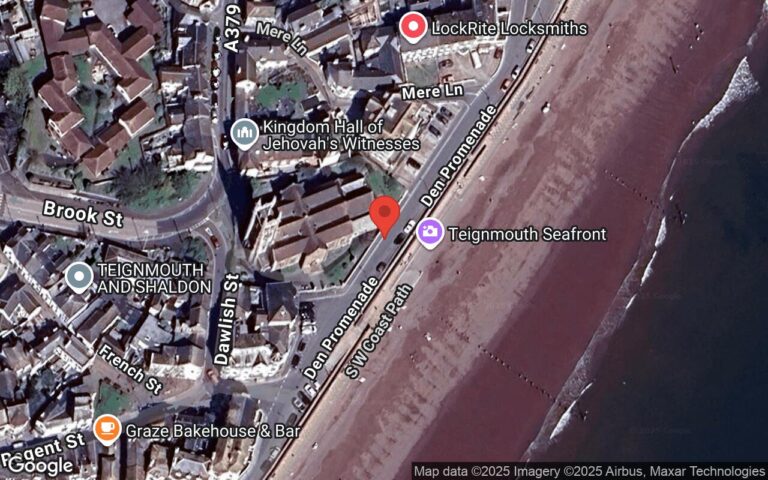
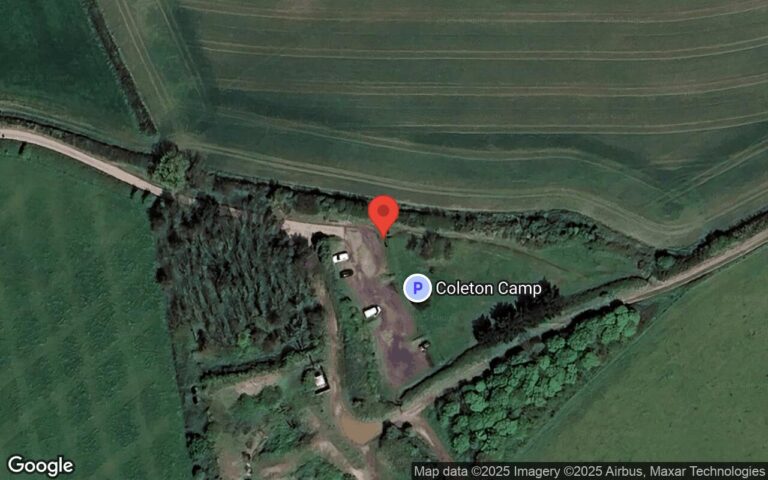
Best areas for motorhome stopovers in Devon
Devon is one of the best counties in the UK for motorhome stopovers because you can do coastal touring, moorland drives, and market towns in a single trip. The key is planning around road width, seasonal demand, and being realistic about where larger motorhomes can comfortably access.
1) North Devon coast (Woolacombe, Ilfracombe, Braunton, Croyde)
If you want beaches, surf towns, and dramatic coastal scenery, North Devon is ideal. It’s also one of the busiest areas in peak season, so availability can change quickly.
Why it works for stopovers
- Lots of food-led pubs and visitor venues outside the tightest coastal centres
- Great base for walking and beach days
- Strong demand means hosts that do allow motorhomes value predictable, respectful guests
What to watch
- Narrow lanes close to the coast, especially around smaller villages
- Weekend peaks and school holidays fill up fast
- Some car parks are tight for long wheelbases
Best approach
Use stopovers slightly inland (5–15 miles) and drive into the beach areas during the day.
2) Exmoor fringe and the north-east edge (around South Molton / Dulverton access routes)
You get the Exmoor experience without committing to the tightest moor roads. This is a strong option for quieter touring and scenic drives.
Why it works
- More space, easier access, and generally calmer overnight
- Great walking routes and rural pubs
- Often better for larger motorhomes than the most remote spots
What to watch
- Reduced mobile signal in places
- Some venues are seasonal with shorter winter hours
3) Mid Devon and market towns (Tiverton, Crediton, Honiton area)
Mid Devon is a practical base: easier roads, good access to the M5 corridor, and often better stopover consistency year-round.
Why it works
- Better access for larger vehicles
- Strong choice of pubs and venues with parking
- Easy launch point for day trips to north or south coasts
What to watch
- Some venues may be busy with local events at weekends
- Always confirm where they want motorhomes parked (separate section, edge of car park, etc.)
4) South Devon coast (Dartmouth, Totnes, Kingsbridge, Salcombe direction)
South Devon is beautiful, but it can be challenging in peak season. The best stopovers are often just outside the busiest coastal hubs.
Why it works
- Food and tourism economy means plenty of venues that understand visitors
- Great for slower touring (one-night stopovers into multi-day exploring)
What to watch
- Very narrow lanes around the most popular coastal villages
- Parking height barriers and tight car parks can be common
- Summer demand can make “turn up” risky—call ahead is essential
5) Dartmoor and the Dartmoor edge (Ashburton / Bovey Tracey / Tavistock routes)
Dartmoor is a highlight for many motorhomers, but the moor itself isn’t always the easiest place for overnighting. The edge towns are often the sweet spot.
Why it works
- Moorland scenery without the tightest single-track roads
- Good pubs and visitor venues around the edges
- Excellent walking and countryside touring
What to watch
- Steeper gradients and narrow access roads on some routes
- Weather can affect comfort and access (especially in winter)
6) East Devon and the Jurassic Coast access (Seaton / Axminster / Sidmouth direction)
Good for quieter touring and for linking Devon with Dorset and the south coast.
Why it works
- A strong “touring corridor” with venues used to visitors
- Often easier to route-plan than the busiest South Devon hotspots
What to watch
- Sidmouth and some coastal towns can be awkward for larger vehicles
- Choose stopovers with proven access notes
Common rules and etiquette for Devon stopovers
Most Devon stopovers are friendly and welcoming when you follow a few simple rules. Hosts mainly want predictable guests who don’t cause disruption, block parking, or upset neighbours.
1) Always call ahead (even if the listing looks perfect)
Devon can be seasonal, and venues may stop taking motorhomes temporarily due to events, staffing, or local pressure. A 30-second call avoids wasted miles.
What to say
“Hi, do you allow motorhomes overnight tonight? We’re [length] and we’ll support you with food/drinks.”
2) Arrive during opening hours, not late at night
Many Devon venues are in quieter areas. Late arrivals are the fastest way to create complaints and get stopovers removed.
Best practice
- Aim to arrive before the kitchen closes
- Confirm latest arrival time on the phone
- If delayed, call again—don’t just turn up
3) Expect to support the venue (and match the venue type)
“Free to stay” usually means “support the business.” In Devon, expectations vary:
- Food-led pub: often expects a meal booking
- Drink-led pub: drinks may be fine, but confirm
- Farmshop/vineyard: purchases or tastings are often the expectation
If a venue gives a minimum spend guideline, treat it as part of the deal.
4) Park where they tell you (not where it’s easiest for you)
Many Devon car parks have:
- delivery access
- staff parking areas
- tight turning circles
- neighbour-facing boundaries
If the host asks you to park in a specific zone, do it. It protects the arrangement.
5) Keep it discreet: no “camping behaviour”
Most hosts allow overnight parking, not camping.
Avoid:
- awnings out
- tables/chairs outside
- BBQs
- loud music
- running generators (unless specifically allowed)
If you need power, choose venues where that’s explicitly permitted.
6) One night is the norm unless agreed
In popular Devon areas, hosts typically prefer one-night stays so they can accommodate more visitors. If you want a second night, ask before assuming it’s ok.
7) Leave early and leave no trace
Devon venues can be sensitive to litter and waste because of local residents and tourist pressure.
- Take rubbish with you unless the host says otherwise
- Do not empty waste or toilets on site unless explicitly permitted
- Leave the space as you found it
8) Be honest about your size
A 7.5m motorhome can be fine—on the right access route and in the right car park. But some Devon lanes and entrances are genuinely restrictive.
When calling, tell them:
- your length
- whether you need extra turning room
This prevents awkward arrivals and protects hosts from blocked car parks.
Devon Motorhome Stopovers: FAQ
Q1: Are motorhome stopovers in Devon really free?
Many Devon stopovers allow overnight parking without a pitch fee, but the expectation is usually that you support the venue (for example, drinks, a meal, or a farmshop purchase). Always ask the host what they prefer so there’s no awkwardness.
Q2: Do I need to call ahead for a pub stopover in Devon?
Yes. Devon is seasonal and venues can pause stopovers due to events, staffing, or local demand. A quick call confirms permission, arrival time, and where they want you to park—saving wasted mileage.
Q3: What time should I arrive at a Devon stopover?
Arriving during opening hours is best, ideally before the kitchen closes if you plan to eat. Late arrivals can upset neighbours and are one of the main reasons venues stop allowing overnight motorhomes.
Q4: Is Devon difficult for larger motorhomes?
Some areas can be. Narrow lanes and tight entrances are common near coastal villages and parts of Dartmoor. If you’re in a longer motorhome, choose stopovers with clear access notes and tell the host your vehicle length when calling.
Q5: Can I stay more than one night at the same stopover?
Usually, one night is the default unless the host agrees otherwise. In busy Devon locations, venues often prefer one-night stays so they can accommodate more visitors.
Q6: What etiquette should I follow at a Devon pub stopover?
Treat it as overnight parking, not camping. Avoid awnings, BBQs, tables/chairs outside, loud music, and generator use unless the host explicitly allows it. Park where instructed, keep it tidy, and leave early enough to avoid disrupting the venue.
Q7: Do Devon stopovers allow dogs?
Many do, but rules vary. Ask if dogs are allowed inside, whether there’s an outdoor area, and if there are nearby walking spots. Always confirm before arriving.
Q8: Are toilets or facilities usually available?
Some venues allow toilet access during opening hours, but not all do. Treat facilities as a bonus unless clearly confirmed. Always ask what is available and when.